

Texas Storm Prep
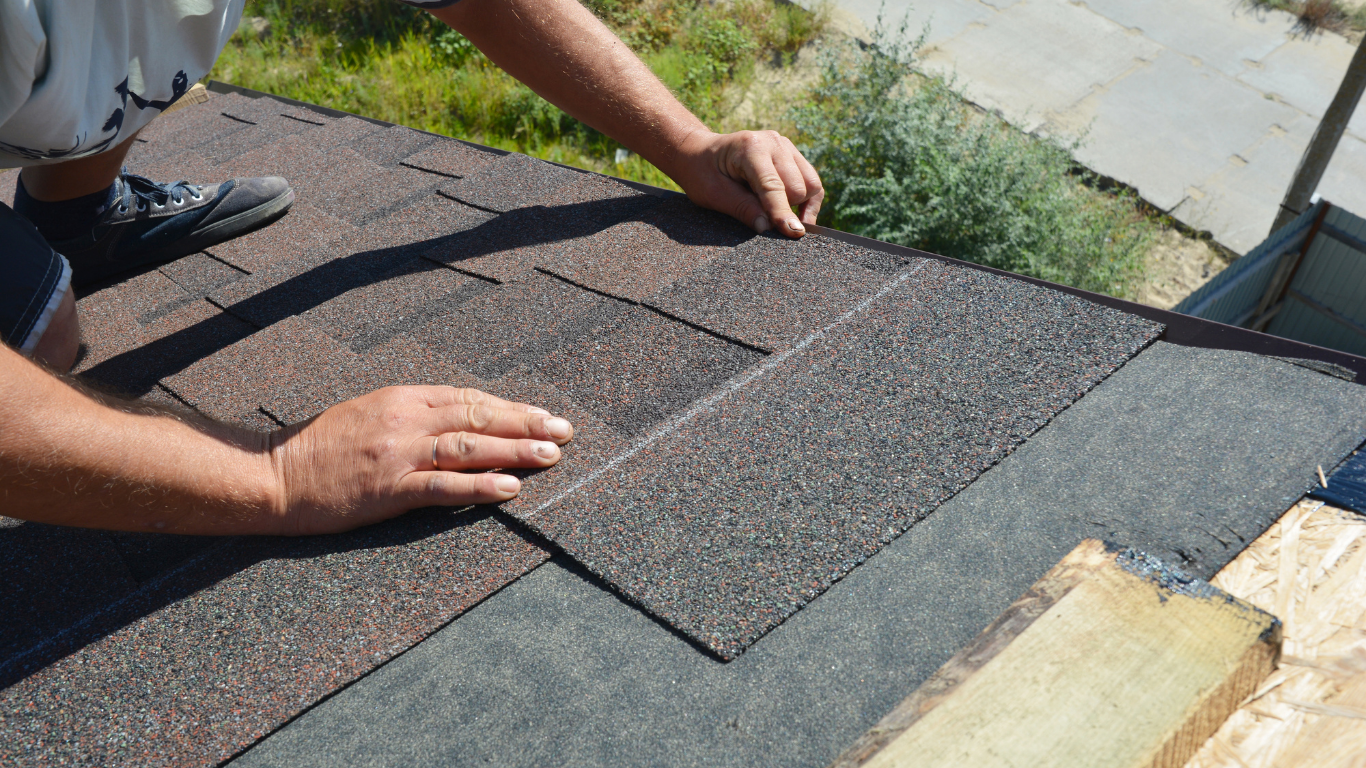
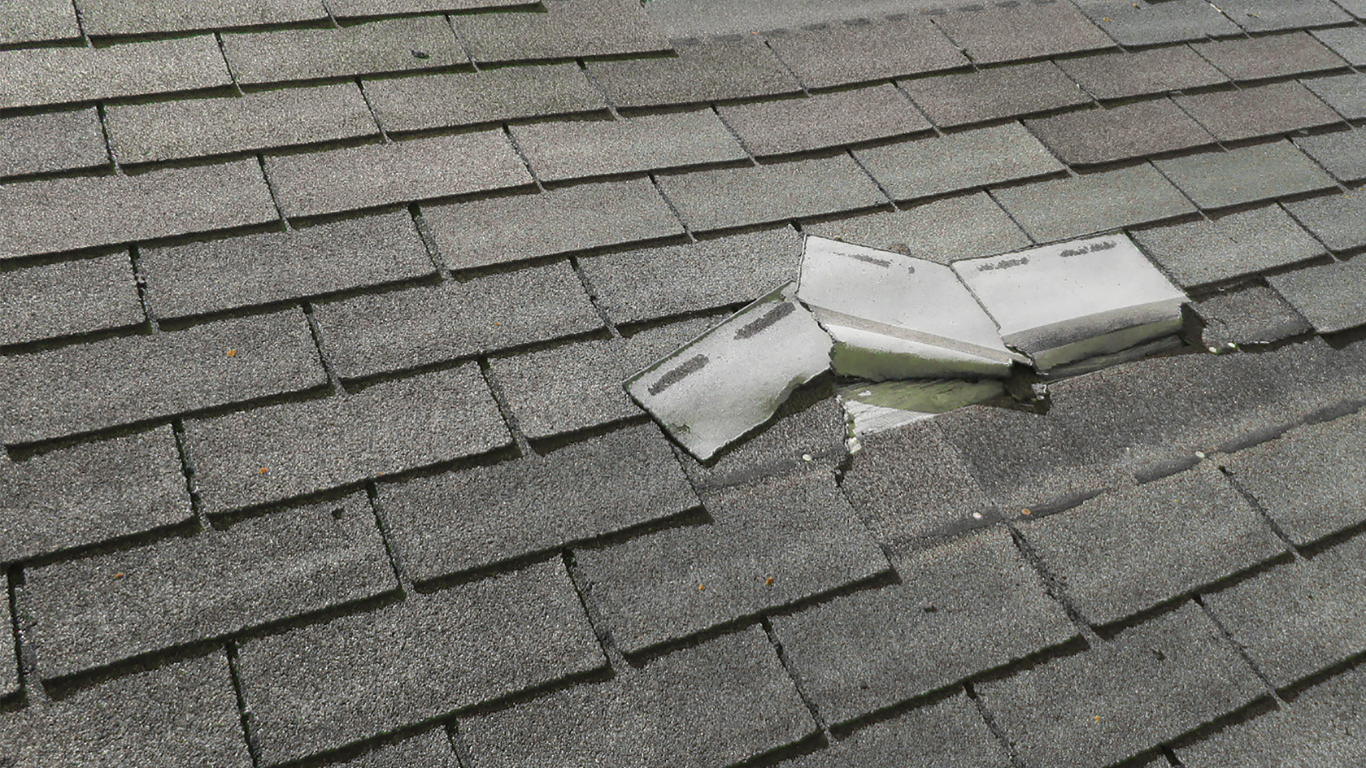
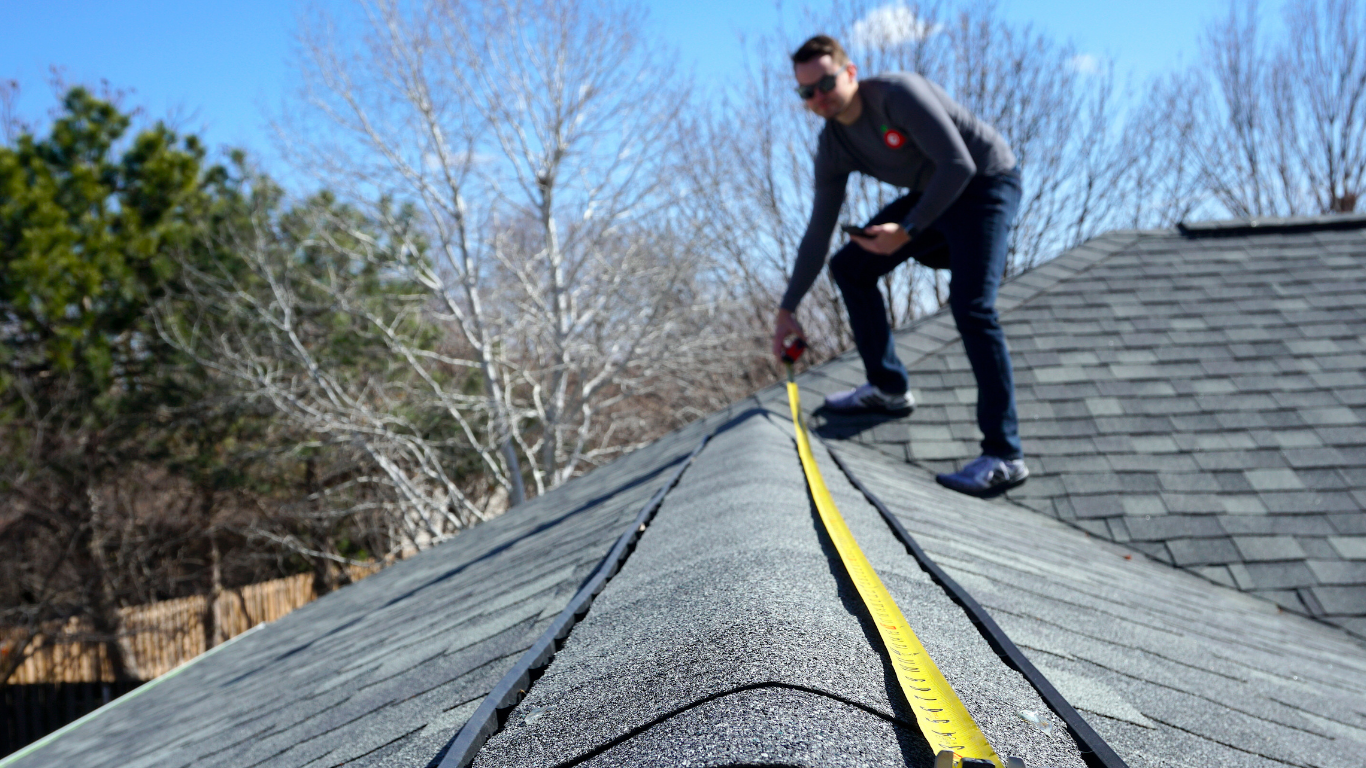
Before the storm season begins, it's essential to inspect your roof for any signs of damage or wear. Look for missing or loose shingles, damaged flashing, and signs of wear around chimneys and vents. Repairing these issues before the storm season can help prevent further damage and ensure your roof is secure.
2. Clean Your Gutters
Clogged gutters can cause water to back up and flow under your shingles, leading to damage and leaks. Cleaning your gutters regularly can help ensure that water flows freely and doesn't accumulate on your roof. Make sure to clean your gutters at least twice a year, and consider installing gutter guards to prevent debris from accumulating.
3. Trim Trees and Shrubs
Overhanging branches and shrubs can cause damage to your roof during strong winds. Trimming trees and shrubs regularly can help prevent branches from breaking and falling onto your roof. Keep trees and shrubs at least 10 feet away from your roof to minimize the risk of damage.
4. Secure Outdoor Items
Outdoor items such as patio furniture, trash cans, and potted plants can become projectiles during strong winds. Securing these items or bringing them inside can help prevent damage to your roof and home. Make sure to tie down any outdoor items that can't be brought inside, and consider installing a fence or windbreak to protect your home.
5. Install Storm Shutters
Storm shutters can provide an extra layer of protection for your windows and roof during severe storms. Installing storm shutters can help prevent wind-borne debris from causing damage to your home. Consider installing permanent storm shutters or temporary ones that can be installed during storm season.
Conclusion
Preparing your Texas roof for the next severe storm season is crucial to minimizing damage and ensuring your safety. By following these 10 tips, you can help protect your home and roof from the impacts of severe storms. Remember to always inspect your roof regularly and take proactive steps to prevent damage and ensure your roof is secure.




.png)

.png)