Best Roofing CRM Software: 2026 Comparison Guide
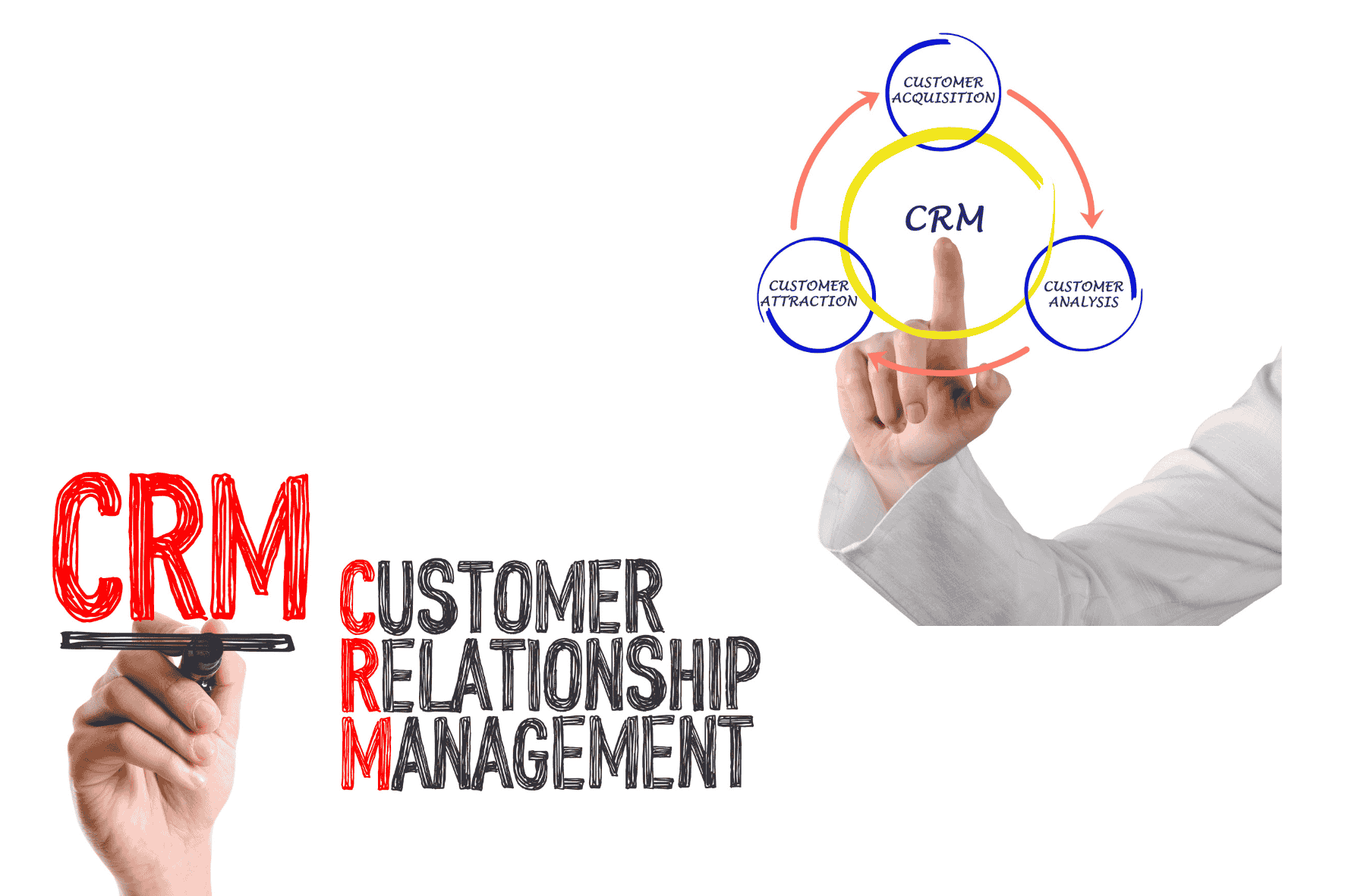
Running a roofing company entails handling multiple customer-related processes on a daily basis. These include estimates, follow-up calls, scheduling, billing, warranty requests, among others. While managing such a business using spreadsheets, sticky notes, and your memory is not the easiest task. That's where the right roofing CRM transforms chaos into an organized, profitable operation.
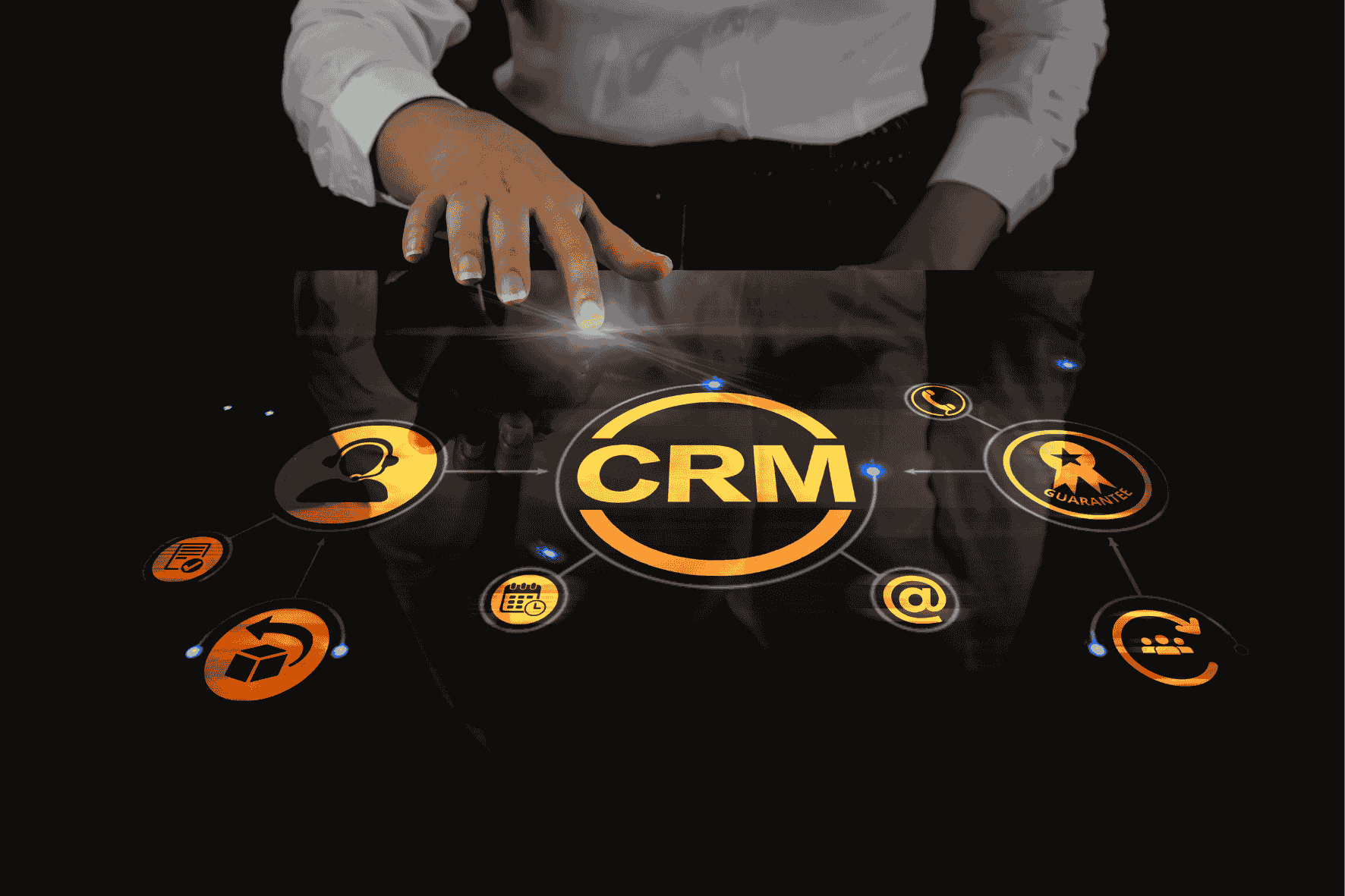
CRM for roofing companies isn't just contact management-it's your complete business command center. The right system records customer interactions, sends automatic reminders, manages your crew schedule, and ensures that no lead is ever lost. But with dozens of options available, how do you choose the best roofing CRM for your business?
This comprehensive guide to comparison provides details about the top-rated roofing CRM software, enabling you to make an informed choice as a measure to ensure efficiency in your sales conversions.
Why Roofing Contractors Need Specialized CRM Software
Generic CRMs designed for retail or B2B sales don't understand roofing workflows. You need CRM software for roofing contractors built specifically for your industry's unique requirements.
The Cost of Not Using CRM
Without proper systems in place, roofing companies will typically lose:
- 20-30% of leads: Due to poor follow-up or follow-up not done
- Time spent each day on administrative activities and data inputting
- Customer trust when details get confused or forgotten
- Revenue from jobs that should have closed
- Team productivity through inefficient communication
What Makes Roofing CRM Different
CRM for roofing handles industry-specific needs like:
- Aerial Measurement Integration – Instant Roof Measurement
- Cost calculators for materials and estimate builders
- Crew Scheduling & Job Management
- Insurance claim documentation and tracking
- Photo Management - Before/After Documentation
- Warranty tracking and servicing reminders
- Damage Lead Capture and Management
- Integration with Roofing Specific Tools
Key Features to Look for in Roofing CRM Software
Before comparing platforms, know what matters most.
- Lead Management and Tracking: The best roofing CRM captures leads from all sources and tracks through your pipeline, showing exactly where each prospect stands, what action comes next. Must-haves: lead capture automatically, tracking its source, visualization of pipeline, follow-up reminders, and lead scoring.
- Estimate and Proposal Generation: Create professional estimates in no time with customized templates, aerial measurement tools (EagleView, Hover), material cost libraries, photo integration tools, e-signatures, and single-click sending capabilities.
- Customer Communication Tools: Connect through automated emails, SMS, appointment reminder, and review requests, including a customer portal in one place.
- Job Management and Scheduling: The ideal features of CRM software designed for roofing services include aspects of crew scheduling and ordering of materials and providing progress updates with photos and quality control.
- Reporting and Analytics: Track what matters: pipeline metrics, conversion rates by source, revenue forecast, crew productivity, customer lifetime value, and marketing ROI.
Top Roofing CRM Software Compared
.png)
Here's an honest comparison of the leading CRM for roofing company solutions.
1. JobNimbus
Best for: Small to mid-sized roofing contractors
Strengths:
- Specifically Designed for Roofing and Construction
- Intuitive Interface & Low Learning Curve
- Robust Mobile App for Field Teams
- Integrated aerial measurements
- Robust Job Management Features
- Excellent Customer Support
Ideal for: Businesses that require industry-specific products without overly complex tools.
2. AccuLynx
Best for: Increasing roofing companies that focused on production
Strengths:
- Comprehensive All-in-one Platform
- Advanced production tracking
- Strong material ordering integration
- Detailed Reporting Features
- Crew management tools
- Scalable for larger operations
Ideal for: Experienced contractors performing over 200 jobs a year who require in-depth functionalities.
3. Roofr
Best for: Companies focusing on immediate measurements, modern proposals
Strengths:
- Instant roof measurements in aerial view
- Beautiful and Interactive Proposals
- Rapid setup and implementation
- Powerful Lead Conversion Solutions
- Clean and modern interface
- Excellent for door-to-door sales
Ideal for: Companies that are rapidly evolving towards speed-based and intuitive customer experiences.
4. Salesforce for Roofing
Best for: Large enterprises with complex workflows
Strengths:
- Highly customizable platform
- Extensive integration options
- Advanced automation capabilities
- Enterprise-grade security
- Comprehensive reporting
- Massive third-party app ecosystem
Ideal for: Large roofing companies with dedicated IT resources willing to invest in extensive customization.
5. HubSpot CRM (with Roofing Customization)
Best for: Marketing-focused roofing companies
Strengths:
- Free core CRM functionality
- Excellent marketing automation
- Strong content management
- Email marketing integration
- Easy-to-use interface
- Scalable pricing tiers
Ideal for: Companies building strong online presence and inbound marketing strategies.
6. Leap (formerly Leap Enterprises)
Best for: Storm restoration contractors
Strengths:
- Built specifically for storm damage work
- Insurance documentation tools
- Supplement management
- Door-to-door sales optimization
- Production tracking
- Strong mobile capabilities
Ideal for: Contractors specializing in insurance restoration work.
Free Roofing CRM Options
Many contractors seek free roofing CRM tools, which might save them some bucks; only that most of these free versions come with very limited features.
Others that are free and popular include:
- HubSpot CRM Free: Basic contact and deal management, but no roofing-specific tools.
- Zoho CRM Free: It's free for up to three users, but needs setting up for roofing workflows.
- Spreadsheets: Free, but manual, time-consuming, and error-prone.
While free tools save money on software, they most often cause lost leads, inefficiencies, and stunted growth. In a general aspect, most contractors find that investing in dedicated roofing CRM software often proves better and pays off more quickly.
How to Choose the Right CRM for Your Roofing Company
Follow this decision framework to select your ideal CRM for roofing:
Step 1: Assess Your Current Pain Points
Determine your biggest challenges:
- Are you losing track of leads?
- Do these estimates really take a long time to create?
- Is crew scheduling Chaotic?
- Is Customer Communication Falling through the Cracks?
- Do you have difficulty with accurate job costing?
Step 2: Define Your Must-Have Features
Based upon various pain points, are there non-negotiable features
- Aerial measurement integration?
- Access for mobile field groups?
- Accounting software integration?
- Marketing Automation?
- Advanced Reporting?
Step 3: Consider Your Team Size and Growth
Choose CRM software for roofing contractors that fits today and scales tomorrow:
- Solo Operator: Simple, Affordable Solutions
- 2-10 employees: Mid-tier with collaboration features
- 10-50 Employees
- Robust platform with advanced features
- 50+ Employees: Solution for Enterprises with Customization
Step 4: Evaluate Integration Needs
Your best roofing CRM should integrate with:
- Accounting software (Quickbooks, Xero
- Aerial measurement tools (EagleView, Hover
- Marketing platforms
- Phone systems
- Payment processors
Step 5: Calculate Total Cost of Ownership
Additionally, beyond monthly fees, consider:
- Implementation and Setup Costs
- Training time and resources
- Integration Expenses
- Further user licenses
Step 6: Test Before Committing
Cost of Data Migration
- Take advantage of "free trials"
- Test using your own workflows
- Get Team Feedback
- Check the integrations are functioning as expected
- Confirm ease of use Evaluate customer support quality
Implementation Best Practices
Choosing CRM roofing software is just the beginning. Successful implementation requires:
Data Migration Planning
Your CRM only works if your team uses it:
- Provide comprehensive training
- Create simple process documentation
- Designate internal champions
- Start with core features, add complexity gradually
- Celebrate early wins
Team Training and Adoption
Only your staff can make your CRM function:
- Provide Comprehensive Training
- Simple process documentation creation
- Identify Internal Champions
- Start from basic capabilities and build complexity incrementally
- Celebrate early wins
Process Standardization
Define standard workflows for:
- Lead Capturing and Qualification
- Estimated creation and delivery time
- Follow-up sequences
- Job Scheduling and Management
- Customer communication
Continuous Optimization
Regularly review and improve:
- Monitoring adoption rates
- Obtain team feedback
- Adjusting Workflows, If Necessary
- Leverage new features
- Measure ROI metrics
Measuring CRM Success
Track these metrics to ensure your roofing CRM software delivers results:
- Lead Conversion Rate: "The percentage of leads that actually became customers"
- Sales Cycle Length: Avg. days from lead to closed deal
- Response Time: The speed of response to new leads
- Customer Retention: Repeat customer and referral rates
- Revenue Per Customer: Average Job Value
- Team Productivity: Jobs Per Crew Per Month
Thus, most roofing contractors typically experience an increase of between 20 and 40 percent in the above factors within the first 3 to 6 months of employing an efficient CRM.
Common CRM Mistakes to Avoid
Avoid the following pitfalls:
- Choosing Based on Price Alone: The cheapest option often costs more in lost efficiency and revenue.
- Skipping Proper Training: Without training, teams revert to old habits and the CRM sits unused.
- Not customizing for your workflow: generic setup does not match how you work, actually.
- Compromising Data Quality: Garbage in, garbage out-keep the data clean, accurate.
- Instant Results: The magic of CRM is in its improvement over time, rather than instantly.
Start Improving Your Roofing Business Today
The right roofing CRM will keep your leads, projects, and teams running smoothly, but even the best CRM won't help if customers can't find your business online. That's where Roofline Authority comes into play.
We specialize in roofing SEO and lead generation, which will position your website at the top of all local search results, driving a consistent flow of qualified roofing leads into your existing CRM.
If you're ready to stop losing opportunities and start filling your pipeline with high-intent customers, then contact Roofline Authority today for a free roofing SEO audit and see how local search can drive real growth for your roofing business.




.png)
.png)