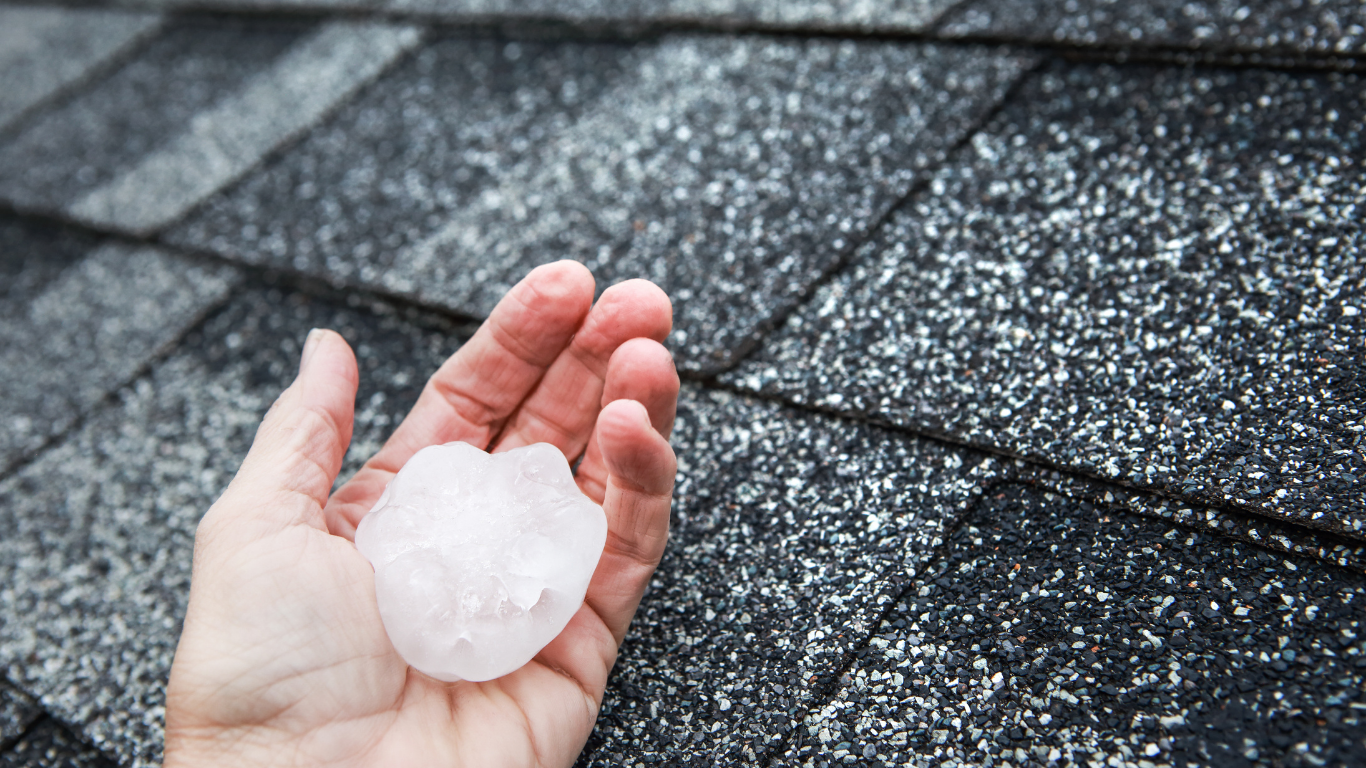
Dallas Roof Hail Damage
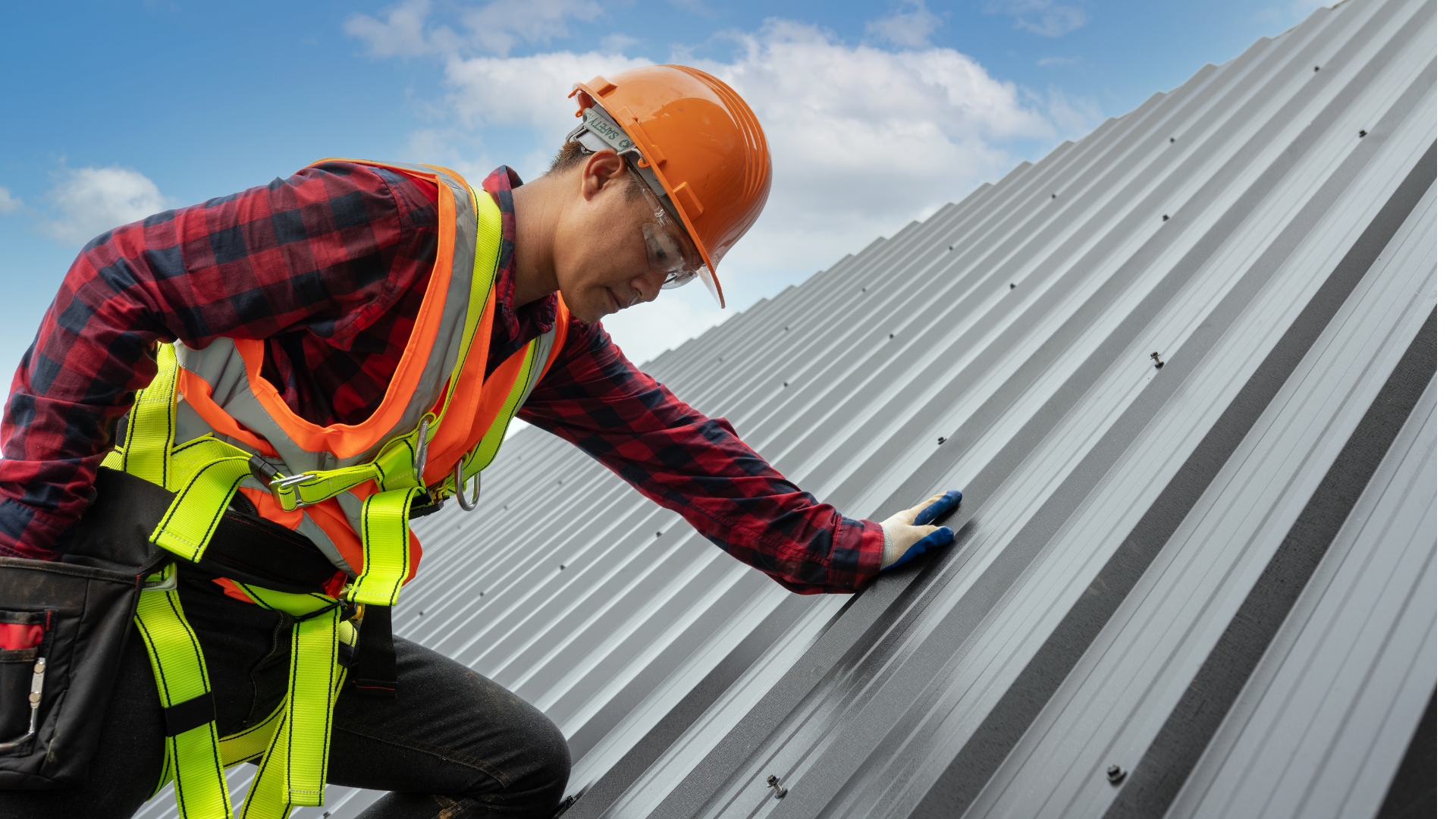
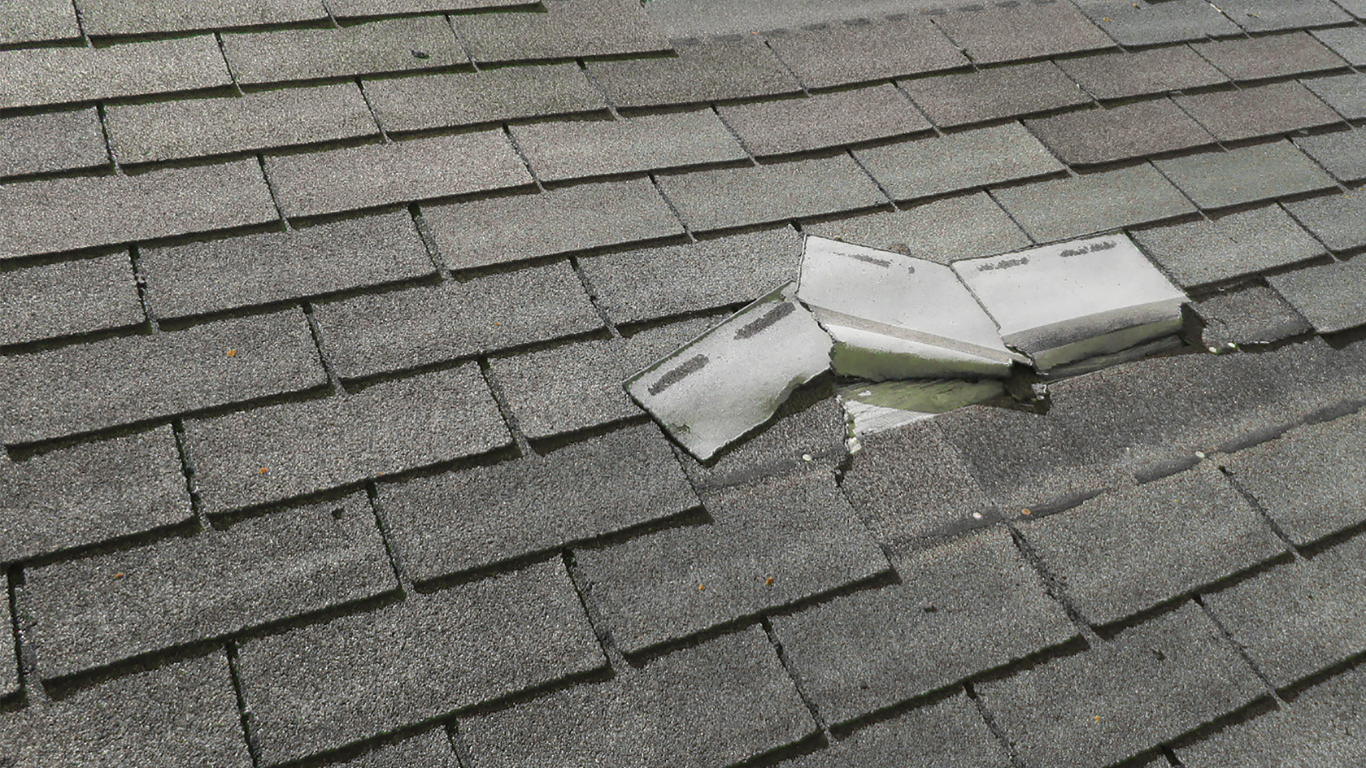
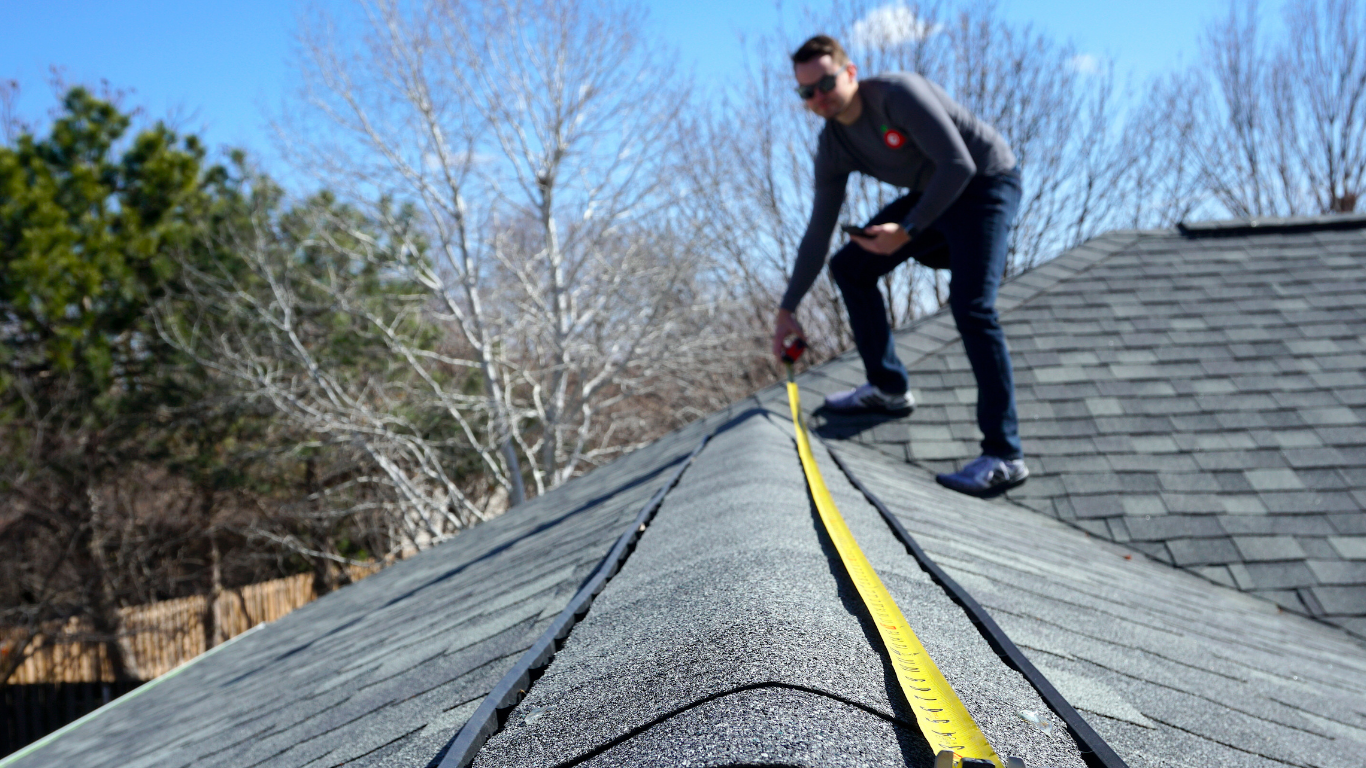
Regular roof inspections are essential to identify potential vulnerabilities and address them before they become major issues. Look for signs of wear and tear, such as missing or loose shingles, damaged flashing, and clogged gutters. By catching these problems early, you can prevent hail damage and ensure your roof is in top condition.
2. Impact-Resistant Roofing Materials
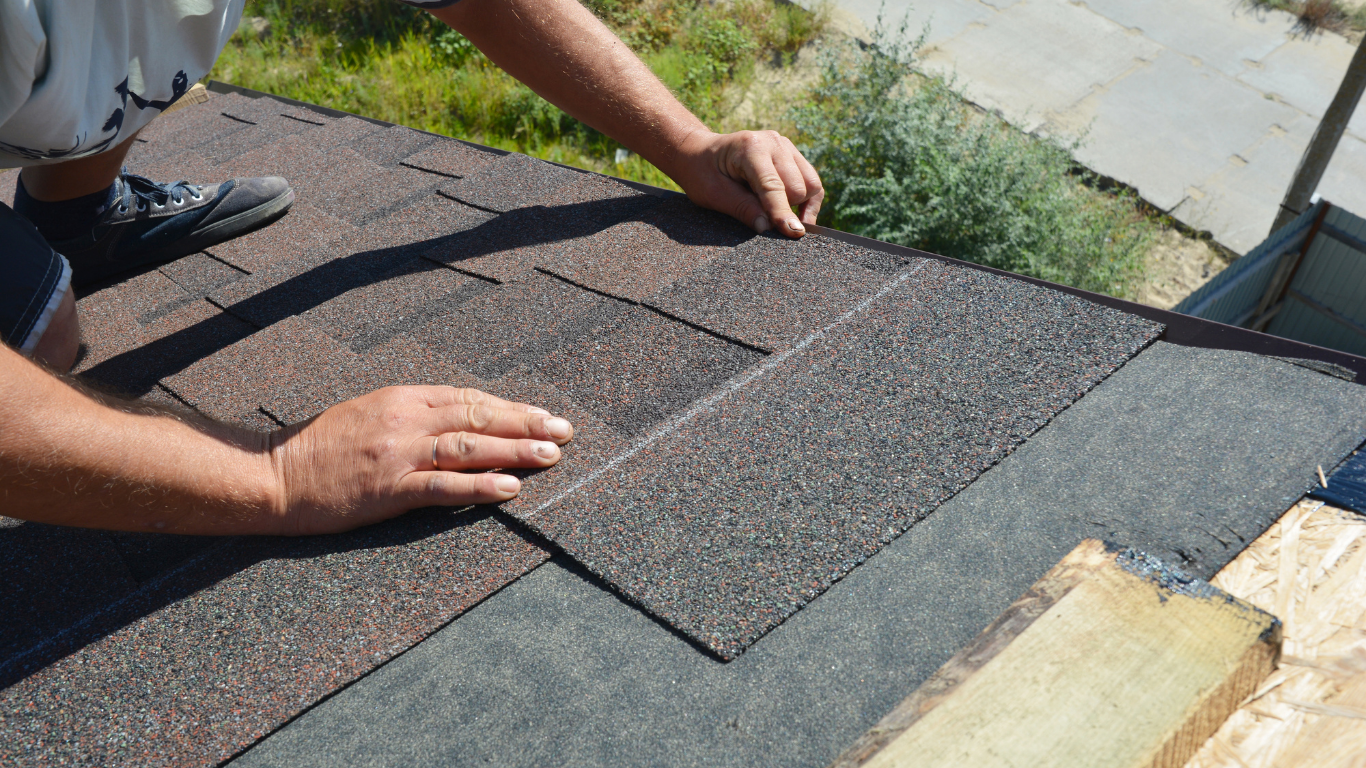
Impact-resistant roofing materials, such as asphalt shingles with a Class 4 rating, can provide excellent protection against hail damage. These materials are designed to withstand the impact of hailstones and other debris, reducing the risk of cracks, dents, and punctures. Consider upgrading to impact-resistant materials during your next roof replacement or repair.
3. Secure Roofing Fasteners
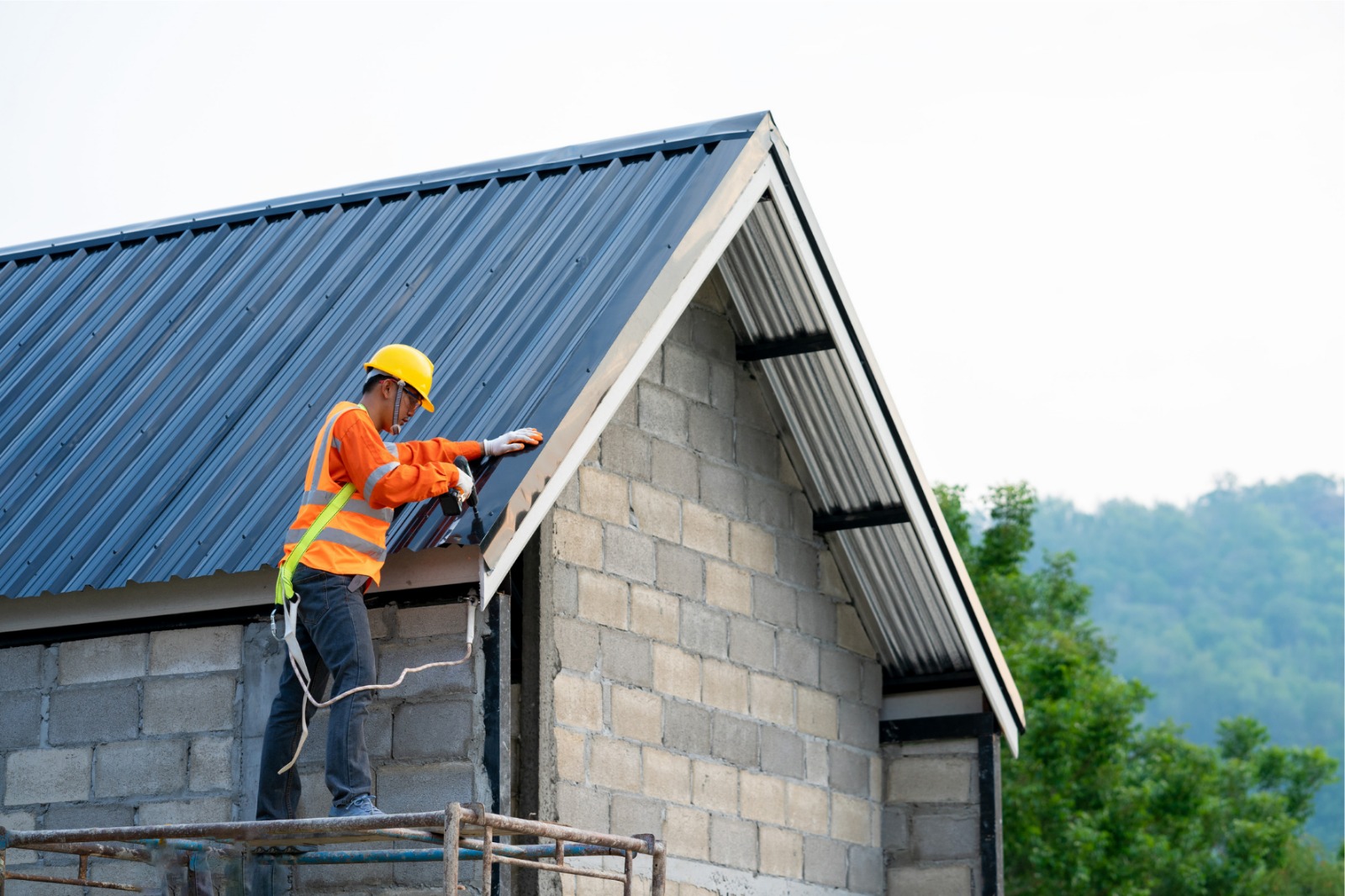
Roofing fasteners, such as nails and screws, play a critical role in securing your roof's shingles and other components. Ensure that your roofing fasteners are properly secured and tightened to prevent them from coming loose during high winds or hail storms. This simple step can help prevent significant damage and reduce the risk of roof failure.
4. Reinforced Roof Decking
Reinforced roof decking, such as plywood or oriented strand board (OSB), provides an additional layer of protection against hail damage. A sturdy roof deck can help absorb the impact of hailstones and other debris, reducing the risk of damage to your roof's underlying structure. Consider upgrading to reinforced roof decking during your next roof replacement or repair.
5. Hail-Resistant Roof Coatings
Hail-resistant roof coatings, such as those containing silicone or polyurethane, can provide an additional layer of protection against hail damage. These coatings can help absorb the impact of hailstones and other debris, reducing the risk of cracks, dents, and punctures. Consider applying a hail-resistant roof coating to your existing roof for added protection.
Conclusion
Protecting your Dallas roof from hail damage and severe Texas storms requires a proactive approach. By following these 10 tips, you can help safeguard your roof and prevent costly repairs. Remember to stay vigilant and monitor your roof's condition regularly, addressing any issues promptly to ensure your home remains safe and secure.



.png)

.png)